Tech Vaidya WhatsApp Channel
Get AI updates, tech news, cybersecurity alerts and useful tech tips directly on WhatsApp.

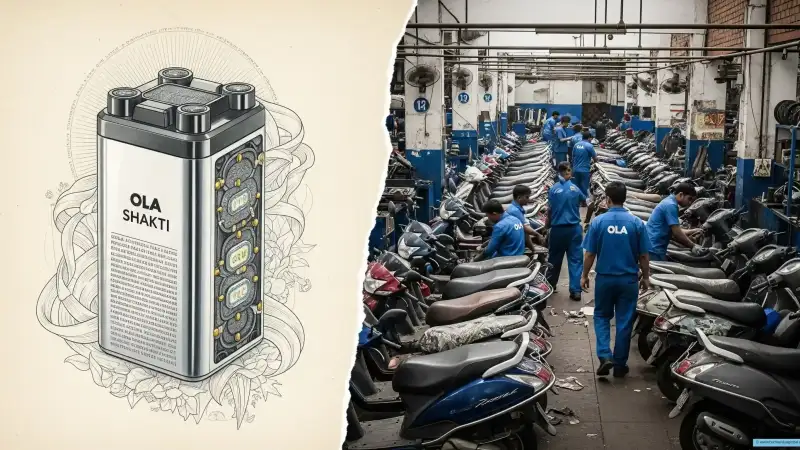
Ola wants to sell batteries to the world, but it struggles to fix the scooters at home. Is the new "Energy Platform" strategy a desperate move to save the company's falling stock? Read the hard-hitting analysis.
| Nagaraj Vaidya, Editor, Tech Vaidya
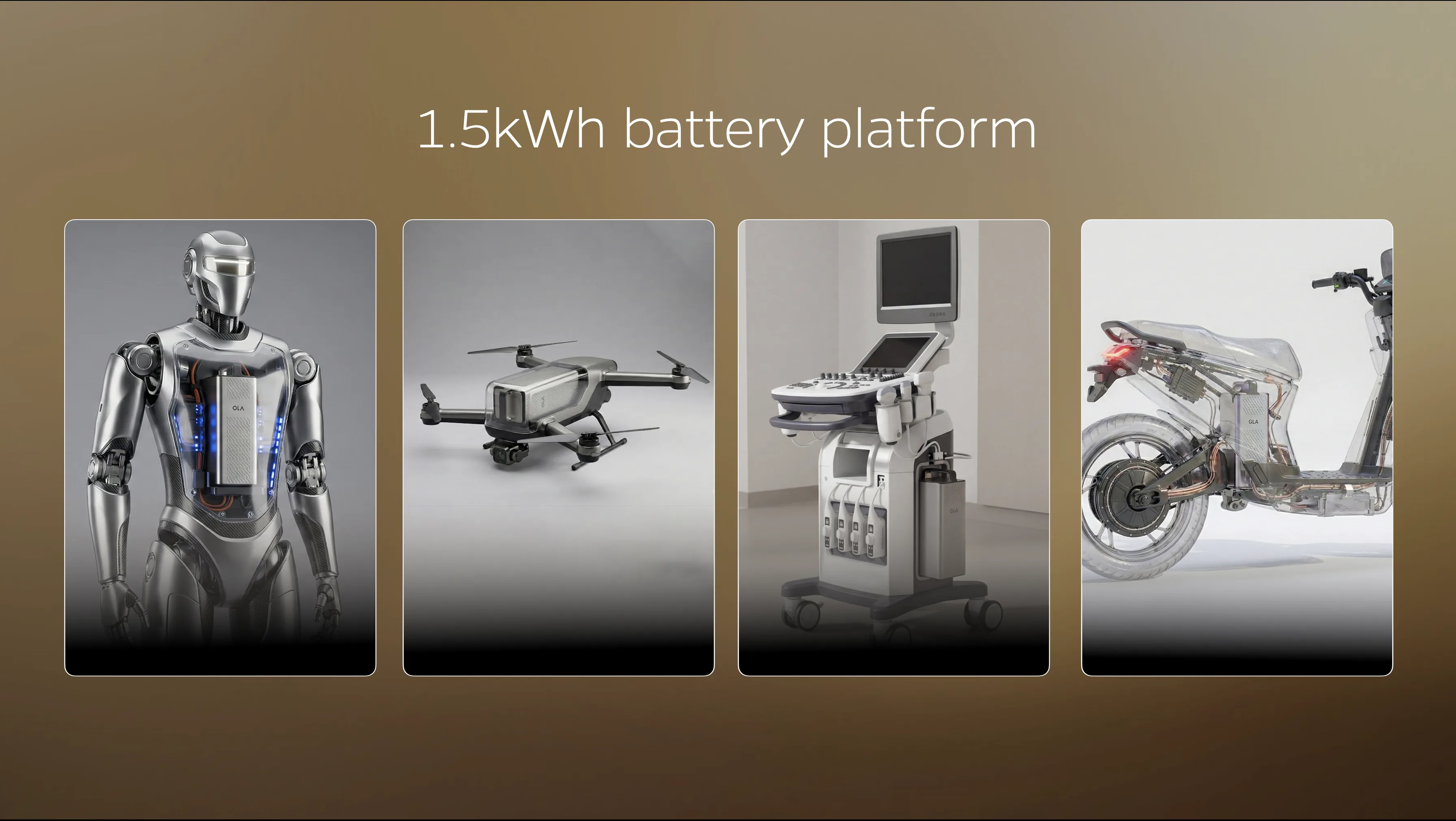
Bhavish Aggarwal is a man who knows how to put on a show. At the Prarambh 2026 event in Bengaluru today, the mood was electric, quite literally. There were flashy videos, big numbers on the screen, and the unveiling of a vision where Ola is no longer just a scooter maker, but an "Energy Platform" for the world. But if you stepped outside the auditorium and looked at the stock market charts or scrolled through the angry timeline of Indian social media, a very different picture emerges. The announcement that Ola will now start selling its indigenous 4680 Bharat Cells to other businesses is not just an expansion; it feels like a desperate attempt to rewrite a narrative that has gone sour.
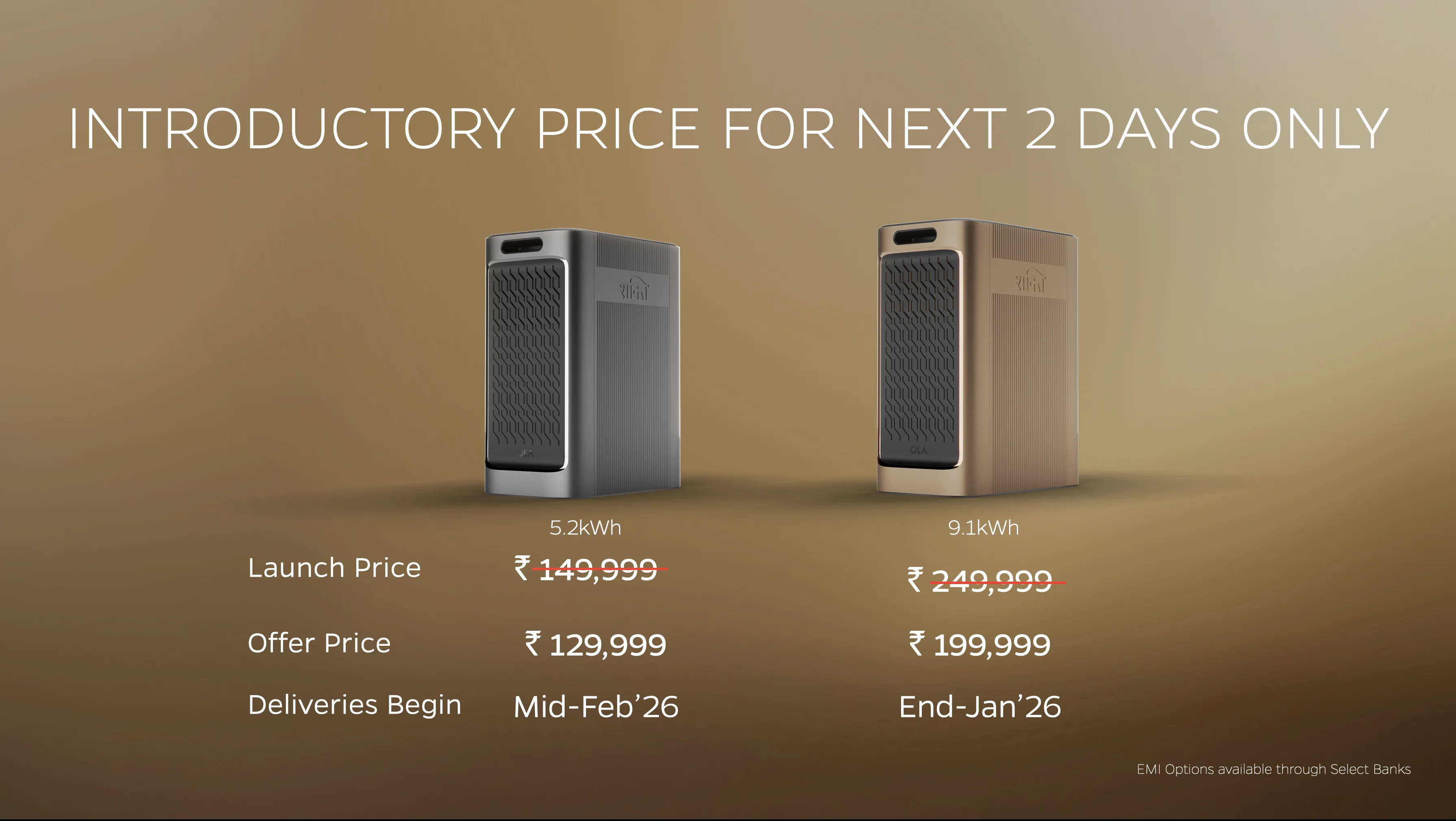
The Headlines vs. The Reality: First, let us look at what was announced. Ola Electric is opening up its 4680 Bharat Cell platform to third-party businesses. This means startups building drones, humanoid robots, or medical devices can now buy batteries directly from Ola. They also launched Ola Shakti, a home energy storage system (like a massive power bank for your house) starting at Rs 1.49 lakh, and started deliveries of the Roadster X+ motorcycle which claims a staggering 500 km range. On paper, this looks brilliant. It is vertical integration at its finest. But we have to ask the uncomfortable question: Can a company that is struggling to fix the brake levers and software glitches of its existing scooters really handle the complex supply chain of becoming a battery supplier for the industry?
The Service Nightmare: You cannot talk about Ola Electric in 2026 without addressing the elephant in the room—the service crisis. For the past year, social media has been flooded with images of Ola service centers are reportedly overwhelmed. Thousands of scooters are gathering dust, waiting for spare parts that never seem to arrive. Customers have been protesting, regulatory bodies like the CCPA have sent notices, and the brand trust has eroded significantly. This is not just about a few bad apples; it points to a systemic failure in the after-sales network. When a customer buys a scooter, they are buying mobility, not a project car they have to fix themselves.
The Stock Market Blues: This on-ground chaos has bled into the stock market. Ola Electric's shares have seen a volatile downward trend over the last few quarters. Investors are jittery. They bought into the promise of the "Tesla of India," but they are seeing a company that expanded too fast without building the foundational support network. The share price is a reflection of this anxiety. The market is asking: If you cannot service the customers you already have, why are you launching three new product lines? The valuation was built on the premise of dominating the scooter market, but that dominance is slipping.
The Competitor Squeeze: While Ola has been busy fighting fires on Twitter and launching new concepts, the legacy giants have been quietly eating their lunch. TVS with its iQube and Bajaj with the Chetak have adopted a "slow and steady" approach. They didn't rush to launch unfinished products. They leveraged their decades-old dealer and service networks to provide a reliable experience. As a result, many frustrated Ola customers are migrating back to these trusted brands. Ather Energy, too, continues to hold the fort for those who want premium engineering without the drama. Ola's market share erosion is real, and it is hurting their bottom line.
The Beta Tester Syndrome: One of the biggest criticisms facing Ola is the feeling among customers that they are paying to be beta testers. From front suspension breakages in the early S1 Pro models to software glitches that cause the scooter to go into reverse mode unexpectedly, the quality control issues have been persistent. By launching yet another high-tech product like the Roadster X+ or the Ola Shakti, the company is asking consumers to take another leap of faith. But the "early adopter" enthusiasm has faded. People now want boring reliability over exciting features that might not work.
The Gigafactory Gamble: This brings us to the strategic pivot of selling batteries. Why would Ola, a B2C brand, suddenly want to become a B2B component supplier? The answer lies in the economics of their massive Gigafactory. Building a cell manufacturing plant is incredibly capital intensive. To make it profitable, you need to run it at high capacity. If Ola's scooter sales are slowing down due to service reputation issues, they cannot consume all the cells they are producing. They have a supply glut. Selling these cells to other startups is not just an innovation; it is a necessity to keep the factory running without burning cash on idle machinery.
A Distraction from the Core Issue?: There is a pattern here. Every time the noise regarding service issues becomes too loud, Ola announces something massive and futuristic to shift the news cycle. Last time it was the electric car (which has seemingly vanished from the conversation), and now it is the "Energy Platform." It serves as a distraction. It gives shareholders something new to dream about, diverting attention from the mundane but critical reality of spare parts shortages and angry service tickets. It is a classic move in the Silicon Valley playbook, but Indias consumers are value-conscious and unforgiving of poor service.
The Financial Burn: Ola needs cash. The aggressive expansion, the Gigafactory, and the marketing blitz cost a fortune. With the stock price struggling, raising more capital becomes expensive. By positioning themselves as a deep-tech energy company rather than just an auto OEM, they might be trying to attract a different class of investors or boost the valuation multiples. A battery company often commands a higher valuation than a vehicle manufacturer. This pivot could be a financial engineering maneuver as much as a technological one.
The B2B Trust Deficit: However, shifting to B2B has its own challenges. If you are a drone manufacturer or a medical device startup, your supply chain is your lifeline. Will you trust your critical power components to a company that is currently fighting battles with consumer protection agencies? Corporate buyers are risk-averse. They need guarantees on supply consistency, quality control, and warranty support. If Ola treats its B2B partners the way it has arguably treated its B2C customers, this new venture will struggle to find takers beyond the initial hype.
The Risk of "Ola Shakti": Then there is the Ola Shakti home battery. At Rs 1.5 lakh to Rs 2.5 lakh, it is a premium product. In a market dominated by affordable inverters and batteries from Exide or Luminous, Ola is trying to sell a lifestyle tech product. But here, the trust deficit will hurt them the most. A scooter breaking down on the road is a nuisance; a home power backup failing during a summer power cut is a crisis. Will Indian families trust their home energy security to a brand that is currently infamous for software bugs? It is a tough sell.
Regulatory Scrutiny: The regulatory heat is also turning up. The Central Consumer Protection Authority (CCPA) has already flagged the thousands of unresolved complaints. If the government decides to step in more aggressively, it could derail these expansion plans. The launch of new products while existing liabilities are unchecked could be seen as irresponsible corporate behavior. Ola is walking a tightrope between growth and governance, and currently, the balance seems off.
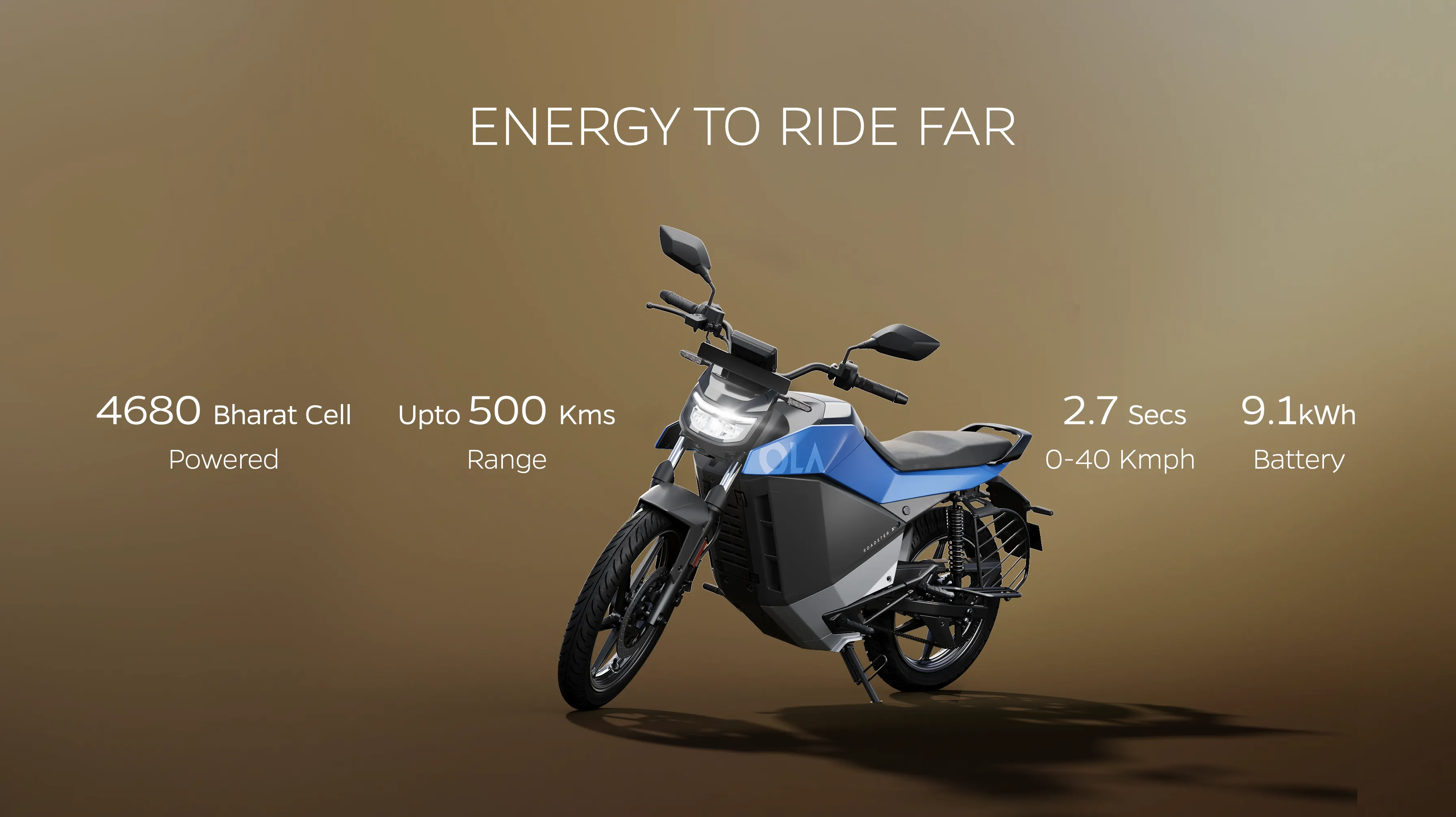
The Roadster Reality: Finally, the Roadster X+ with its claimed 500 km range. If true, it is an engineering marvel. But physics and economics are stubborn things. Achieving that range requires a massive battery, which adds weight and cost. Offering it at Rs 1.89 lakh raises questions about margins. Is Ola selling this at a loss to capture headlines? Or is the "IDC range" vastly different from real-world performance? Until independent reviews come out, this number remains a marketing claim, not a verified fact.
Ola Electric stands at a crossroads. The ambition to build a vertically integrated energy giant is commendable and necessary for India's self-reliance. But ambition without execution is just marketing. Today's announcements feel like a dazzling firework display meant to distract from the burning building behind it. Ola is trying to become everything at once—a car company, a bike company, a battery company, and an AI company. But in doing so, it risks failing at the one thing it started as: a reliable scooter company. This pivot to selling batteries might be the lifeline Ola needs to soothe investors, but unless they fix the service centers and stop the bleeding of consumer trust, no amount of new "Shakti" can save the day.
(Views expressed are personal analysis based on market trends)

No Comment Yet.
Stay informed with breaking news, trending stories, and in-depth analysis.