The global artificial intelligence landscape is witnessing a fundemental shift as platform giants move from software optimization to hardware manufacturing. ByteDance is reportedly developing its own inference processor known as SeedChip to navigate export restrictions and reduce its massive overhead costs associated with Nvidia hardware. This transition toward vertical integration highlights a broader trend of technological sovereignty where control over the physical silicon is just as important as the algorithms themselves. By 2026 these custom chips could redefine the competitive dynamics between the US and China in the semiconductor space.
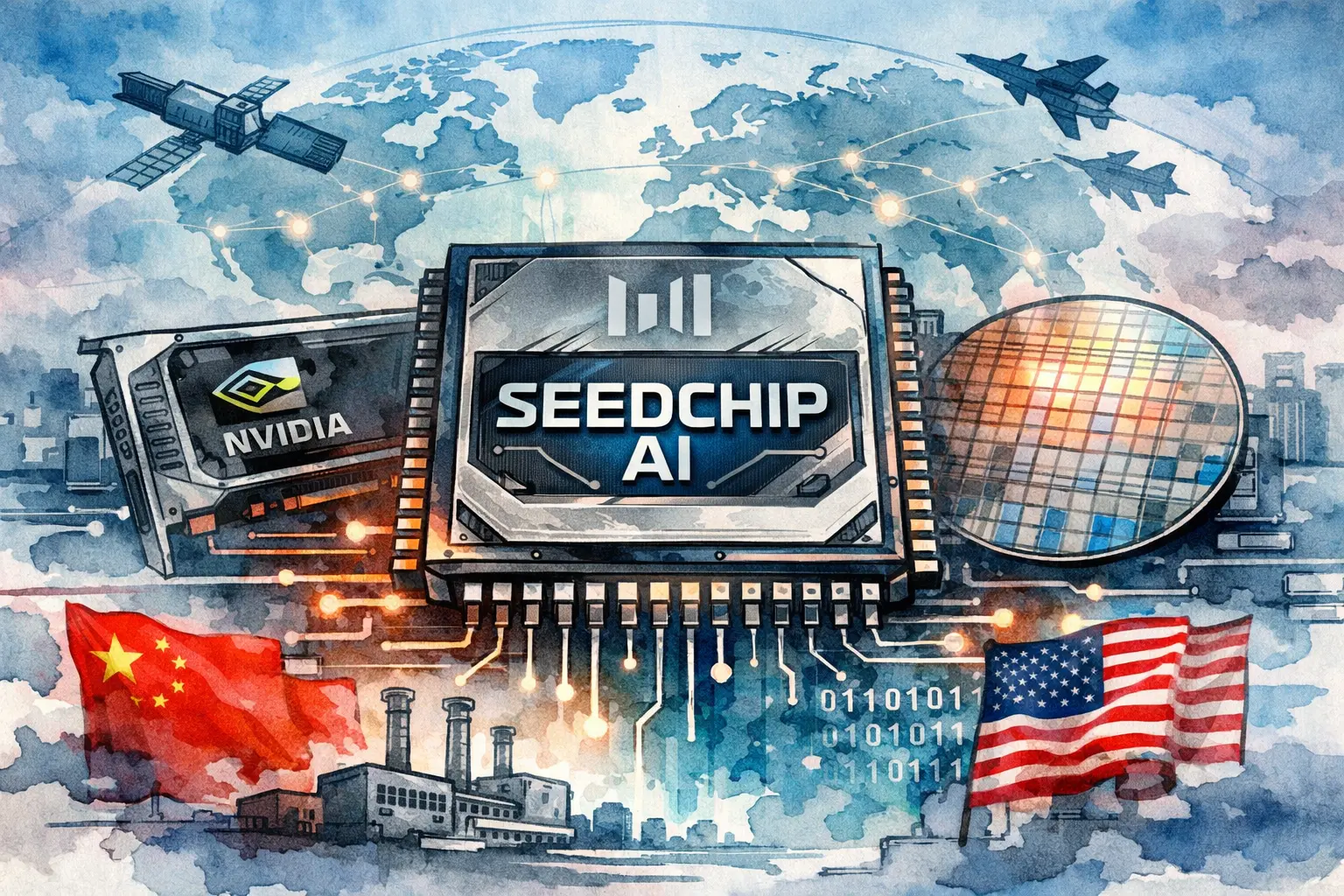
A digital editorial illustration in a 16:9 aspect ratio featuring a conceptual AI chip with the ByteDance logo subtly integrated into the circuitry. The style is a loose watercolor wash with soft flowing blues and teals contrasted by sharp architectural lines drawn with a black marker. The background shows a faint map of global data networks to represent the chip war context.
In the the intensifying global race for artificial intelligence dominance platform companies are no longer content with merely building models they are building the silicon beneath them. The latest signal comes from China where ByteDance the parent company of TikTok is reportedly developing its own in-house AI inference processor informally referred to as SeedChip. If this effort materializes at scale it would mark a strategic turning point not just for ByteDance but for the broader US-China AI hardware rivalry.
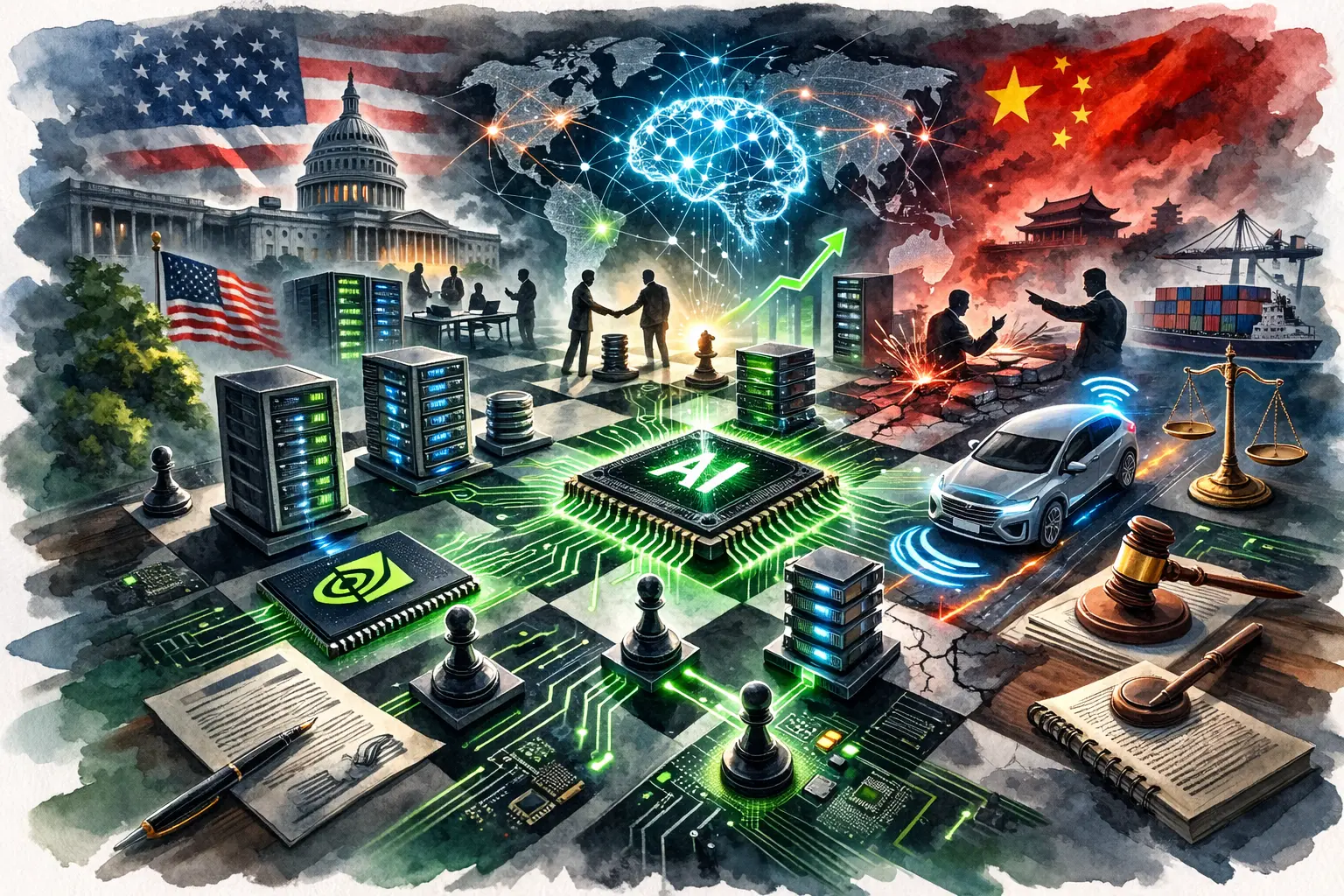
For years global AI infrastructure has depended heavily on advanced GPUs from Nvidia which power large language models and recommendation engines. However access to high-end AI chips has become increasingly politicized due to export restrictions and tightening US controls on advanced semiconductor shipments to China. ByteDance operates massive AI workloads from content recommendation systems to generative AI initiatives and relying entirely on external suppliers creates a significant vulnerablity in this sensitive environment.
Developing a custom inference chip would help the company reduce its dependency on Nvidia hardware while optimizing chips specifically for its unique AI workloads. Inference chips unlike training GPUs are optimized for deploying models at scale for billions of users. For a platform like TikTok or Douyin where efficiency translates directly into cost savings and competitive advantage custom silicon is the logical next step.
Reports suggest that manufacturing discussions may involve Samsung which is one of the few global players capable of advanced semiconductor fabrication outside of Taiwan. If confirmed this would indicate a deliberate diversification strategy both technologically and geopolitically. Designing a chip is only half the battle because advanced node production requires world-class foundry capabilities and yield management that very few companies can provide.
This move aligns perfectly with the long-term strategy of semiconductor self-reliance that has been accelerated across the region. Over the past several years there has been a massive push to invest in domestic chip design and manufacturing to counteract external pressures. ByteDance entering this space reflects a broader pattern of tech giants internalizing chip design to insulate themselves from future sanctions or supply chain disruptions.
The timing of this development sems to point toward a strategic expansion window around 2026. By that year global AI demand is expected to multiply across enterprise automation and consumer services. If ByteDance successfully deploys its own inference chips at scale by then it would position itself as a vertically integrated AI platform and a cost-efficient infrastructure operator. This could significantly alter the competitive dynamics in the Asian AI ecosystem.
Nvidia remains the dominant player in the hardware market but the rise of custom silicon from hyperscalers and social platforms weakens the monopoly narrative. Custom chips do not necessarily eliminate the need for Nvidia but they reduce absolute dependence. Over time this trend could fragment the AI hardware market into general-purpose GPU ecosystems and platform-specific custom silicon stacks aligned with specific regions.
When viewed alongside the increasing emphasis on tech sovereignty and strategic control over critical materials the SeedChip initiative appears less like a corporate experiment and more like a national-level alignment. AI leadership is no longer just about having the best research talent or the most data. It now rests on the control of semiconductor design fabrication capacity and the energy infrastructure required to run them.
The first phase of the AI boom was focused almost entirely on the models themselves but the second phase is becoming infrastructure-centric. We are now entering an era of hardware sovereignty where the physical layer of the tech stack determines who leads the market. If ByteDance successfully brings this chip to production it will prove that large platforms can evolve into semi-integrated semiconductor players.
The question is no longer whether AI companies need specialized chips but whether they can afford to remain dependent on a single global supplier. For observers around the world ByteDance’s move is not just a story about one company in China. It is a preview of the next battleground in artificial intelligence where silicon sovereignty will be the ultimate prize in the tech war.
As the industry moves toward 2026 the integration of software and hardware will likely become the standard for any company operating at a global scale. This shift will force a reevaluation of how we measure tech power as the focus moves from who has the best app to who owns the most efficient processors. The battle for the future of AI is being fought one nanometer at a time in the clean rooms of the worlds foundries.
Ultimately the success of projects like SeedChip will depend on the ability to bridge the gap between complex chip architecture and the massive software demands of modern social media. If ByteDance can close this gap it will set a precedent for other global tech firms to follow. The transition from being a software company to a hardware-capable powerhouse is a difficult journey but it is one that seems necessary in the current global climate.
Read this too..
❤ Inter-Agency Conflict Stalls AI Trade Progress: Why Chinese Tech Giants Are Hesitating to Order
❤ Wings of 6G for India's Digital Ambitions
❤ Layoffs R.I.P: The Tech Boom Is Back — Are You Ready for the Rebound?
❤ Navigating Challenges Through Infrastructure Upgrades and In House Battery Development
❤Partner with Bharat: How India Stole the Show at Davos 2026 with AI, Chips, and Soft Power

No Comment Yet.
Stay informed with breaking news, trending stories, and in-depth analysis.