Tech Vaidya WhatsApp Channel
Get AI updates, tech news, cybersecurity alerts and useful tech tips directly on WhatsApp.


In traditional cultural frameworks, a wedding represents a massive familial festival rather than just a simple ceremony. The age-old custom involved personally visiting relatives and friends to hand over a physical invitation card. However, driven by modern technological convenience and fast-paced lifestyles, those physical cards have been overwhelmingly replaced by digital wedding invitations delivered via WhatsApp. Sending a vibrant image or a document file across the country takes merely a second. Tragically, this highly normalized daily digital behavior has been meticulously weaponized by cybercriminals, turning a moment of celebration into a financial nightmare.
Recent incident reports from cybercrime departments across the nation highlight a deeply alarming trend. Thousands of smartphone users are waking up to zero bank balances simply because they attempted to open a digital wedding invitation sent to their phones. This new breed of cyber extortion represents a massive evolutionary leap in digital fraud. It abandons the traditional, clumsy tactics of the past, creating a seamless trap that catches even highly educated professionals off guard.
Unlike legacy scams where fraudsters would impersonate bank managers over a phone call and demand passwords, this modern methodology operates in complete silence. It relies heavily on social engineering, exploiting the most vulnerable aspects of human psychology: love, respect, and social obligation. When a message arrives claiming to be a family wedding invitation, the natural human response is joy and curiosity, completely blinding the victim to any underlying digital threat.

Hijacked Identities: The Psychological Warfare of Modern Cyber Criminals
The execution of this digital heist begins with a masterclass in psychological manipulation. Cybercriminals are acutely aware that internet users have grown suspicious of attachments sent by unknown numbers. To bypass this primary line of defense, they orchestrate a highly sophisticated identity theft protocol. Hackers compromise the WhatsApp account of a victim's known contact or steal profile pictures from social media to create a perfectly cloned digital identity.
When the malicious message finally arrives, it appears to come from a trusted friend, colleague, or relative. The accompanying text is meticulously crafted to evoke emotional urgency. It usually contains warm, inviting language, insisting that the recipient must open the attached digital card to see the venue details and bless the couple. This fabricated aura of intimacy serves as the ultimate psychological trap.
Upon seeing a familiar face on the profile picture and reading a heartfelt invitation, the logical, analytical portion of the human brain temporarily shuts down. The suspicion that a wedding card could harbor a destructive computer virus simply does not register. Driven by the social obligation to congratulate the sender, the recipient instinctively taps on the attached file, unknowingly initiating the destruction of their own digital and financial ecosystem.
Unmasking the APK File: A Silent Killer Inside the Smartphone
 The Karkala Cyber Heist: How One WhatsApp Message Stole Rs 5.6 Lakh
 Can Salt Cure Drowning? Exposing the Fatal WhatsApp Hoax
 Apps Are Asking for Permissions – Why Are You Handing Over Your Privacy on a Silver Platter?
 Rs 1.87 Lakh Phone Order Turns Into Marble Tile! Amazon Flipkart Delivery Scam Exposed
 How Many Apps Still Have Access to Your Gmail? You Can Check in a Minute
The core technical deception lies in the file format itself. Authentic digital invitations are universally formatted as standard image files or basic PDF documents. However, the file dispatched by the hackers, despite bearing a name like Wedding_Invitation_Card, ends with a highly dangerous extension: .apk. In the Android operating system, an APK is an application package. Tapping on this file does not render an image; instead, it executes a command to install a third-party software application directly onto the device.
Modern smartphone operating systems are engineered to flash security warnings when a user attempts to install an application from outside the official app stores. Unfortunately, eager recipients, rushing to view the invitation, routinely ignore these crucial English warning prompts. They blindly tap the authorization buttons, granting the malicious package full entry into their device. This momentary lapse in digital hygiene is all the malware requires to establish total dominance.
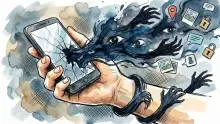
Once installed, this rogue application behaves like a digital ghost. It does not generate an icon on the home screen, remaining completely invisible to the smartphone owner. However, operating silently in the background, it instantly grants itself extreme administrative permissions. Within seconds, the malware gains absolute, unrestricted access to the device's SMS inbox, contact directory, and internal media gallery, setting the stage for a massive financial extraction.
Contact Lists and Galleries: The Devastating Digital Chain Reaction
The financial devastation occurs with terrifying speed. Having secured access to the SMS inbox, the malware establishes a hidden communication channel with the hacker's remote server. When the hackers attempt to log into the victim's bank accounts, the banking system generates a One Time Password. The hidden malware intercepts this OTP, reads it instantly, and forwards it to the criminals long before the notification ever appears on the victim's screen. Before the smartphone owner realizes anything is wrong, their life savings are siphoned away into untraceable international accounts or cryptocurrency wallets.
Simultaneously, a secondary, equally devastating attack is launched. The malware clones the entire contact list stored on the compromised device. It then hijacks the victim's WhatsApp application and automatically blasts the exact same malicious APK file to hundreds of saved contacts. Because the message now originates from the victim's legitimate number, those contacts trust the file, click it, and become the next victims. This creates an exponential digital chain reaction, turning one compromised phone into a weapon of mass distribution.
Furthermore, the malware's access to the media gallery poses a severe threat to personal privacy. Private photographs, videos, and sensitive documents are stealthily uploaded to remote servers. Cybercriminals frequently use this stolen media to launch secondary blackmail campaigns, threatening to release private images unless a ransom is paid. Even if a police complaint is filed, recovering the stolen funds and securing the leaked data is nearly impossible, as these criminal syndicates operate across complex, decentralized global networks.
The Ultimate Defense Playbook: Surviving the Modern Cyber Epidemic
As technological capabilities expand, digital crimes will continue to evolve with terrifying precision. Surviving this relentless cyber epidemic requires a fundamental shift in how society interacts with connected devices. Maintaining rigorous digital hygiene is no longer optional; it is a mandatory survival skill. The absolute golden rule of smartphone security is to meticulously verify the extension of every single file received through messaging platforms, regardless of the sender's perceived identity.
If a file name ends with .apk, it must be treated as a highly active digital explosive. Authentic documents will never ask for installation permissions or operating system access. To build a robust line of defense, smartphone owners must dive into their device settings and permanently disable the feature that allows app installations from unknown sources. This simple toggle acts as a critical barrier, preventing rogue software from executing even if a file is accidentally clicked.
In the near future, the integration of artificial intelligence will make these scams even more deceptive, potentially using deepfake audio notes to accompany the malicious files. Navigating this treacherous digital landscape requires replacing blind trust with relentless skepticism. Every link, every file, and every unexpected message must be subjected to intense scrutiny. In the modern era, depending on technical awareness rather than emotional impulse is the only guaranteed method to protect one's financial legacy and personal dignity.

No Comment Yet.
Stay informed with breaking news, trending stories, and in-depth analysis.
