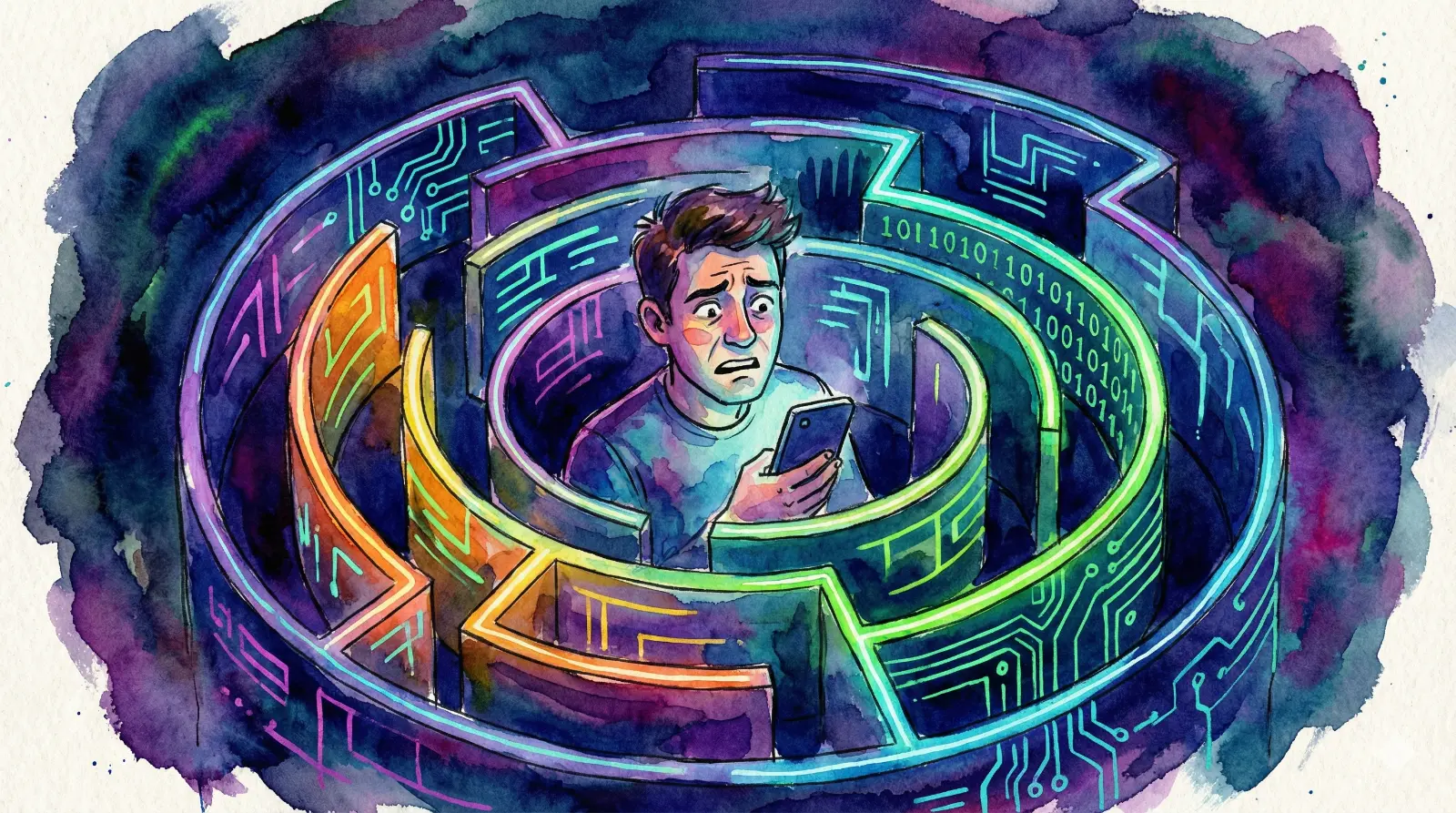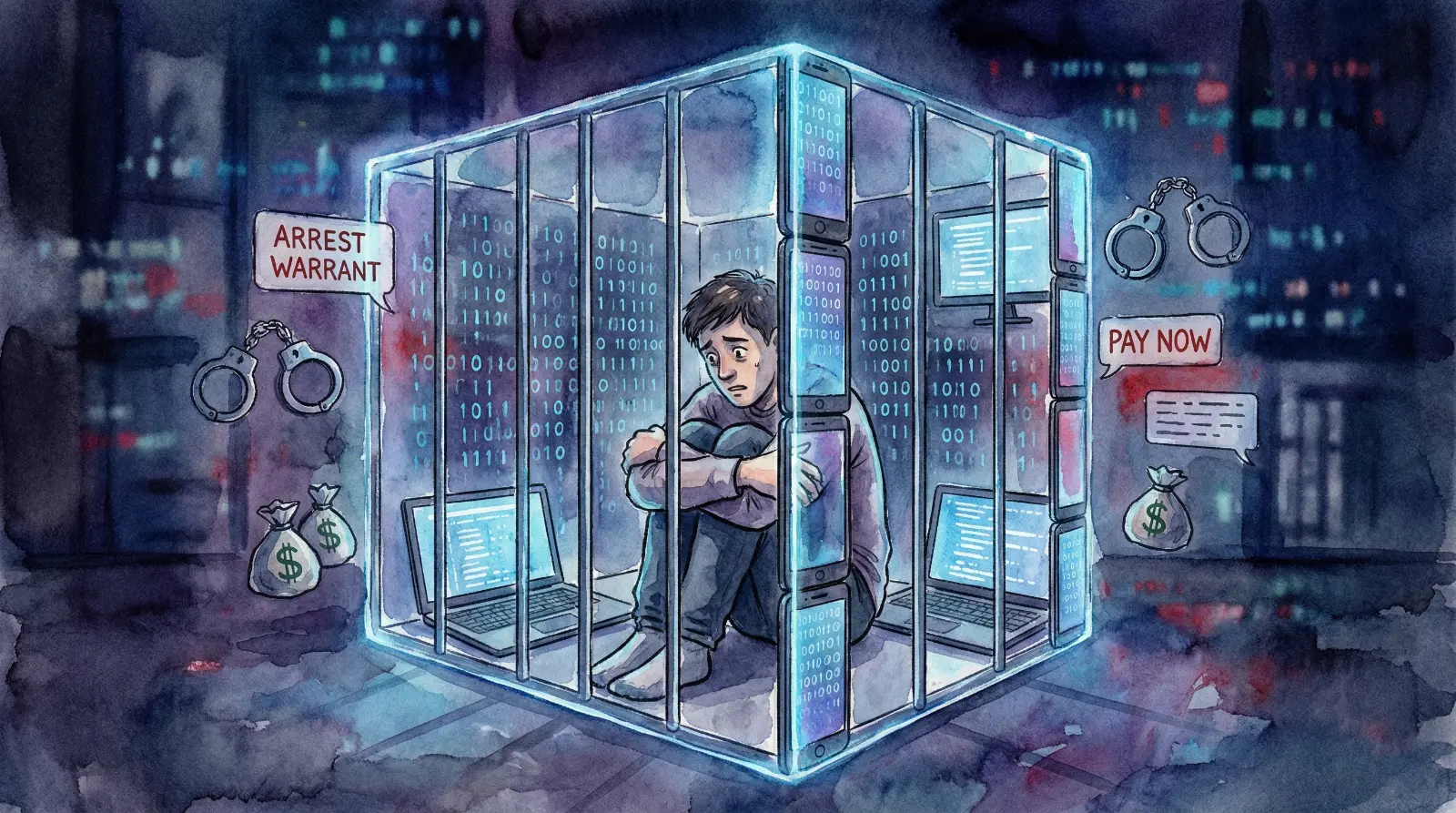
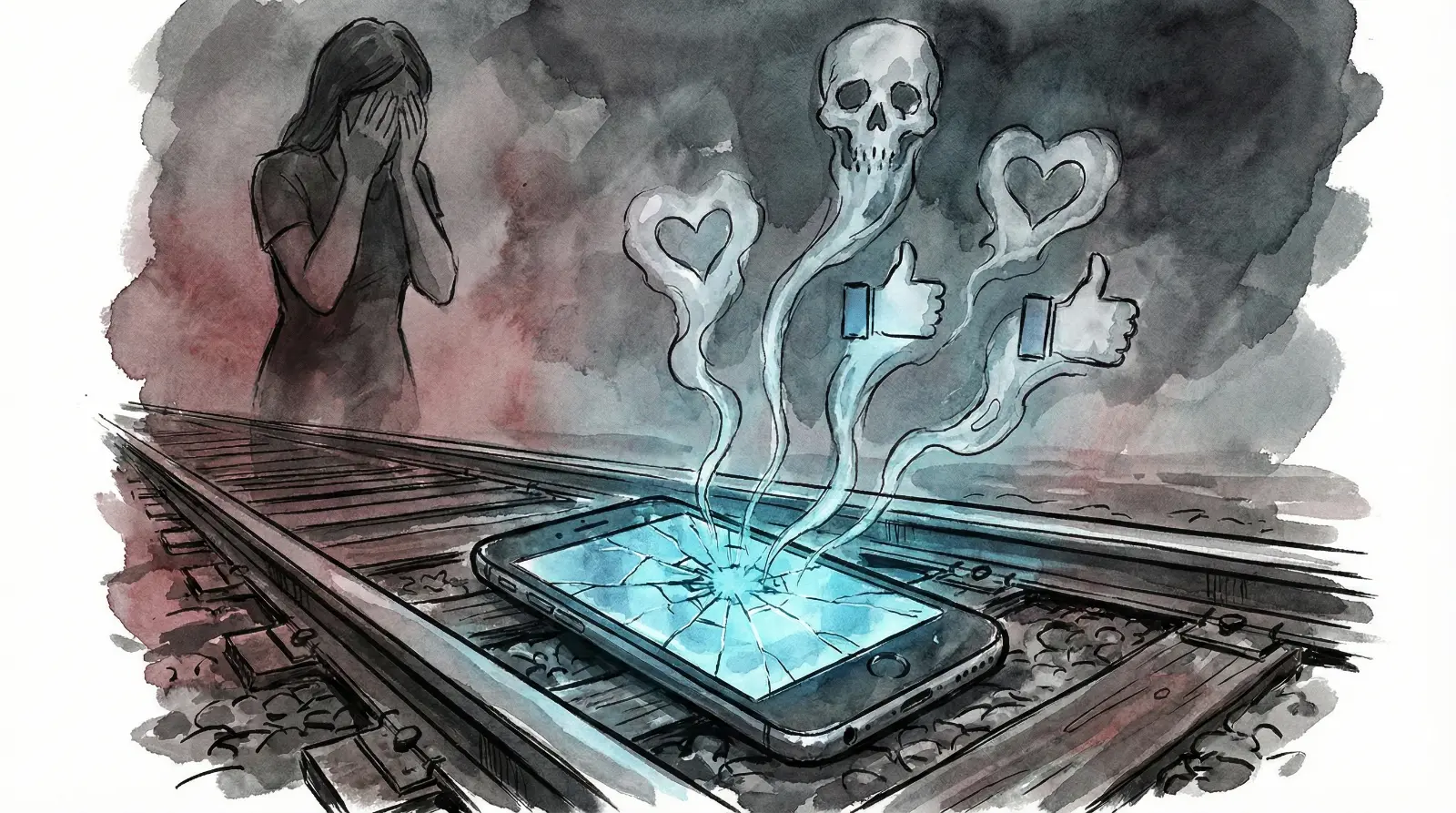
On the railway tracks of Mahoba district in Uttar Pradesh, the only witness to the shattered body of that twenty-year-old woman was a lone smartphone lying beside her. Just moments before, a fight over a fifteen-second video had ended a full twenty-year life. This is not just a news snippet; it is a reflection of a terrifying reality playing out in every Indian household today. We live under the illusion that we govern technology, but the truth is that algorithms and the insidious 'Dopamine Loop' govern us. From cyberbullying-induced suicides in Kerala to family courts in Karnataka overflowing with divorce cases linked to 'Reels addiction,' this obsession is turning bedroom privacy into public commodities and pushing young lives to the brink in pursuit of fleeting fame. As a Tech Editor, I am laying bare this dark truth: this is not merely a warning bell; it is a danger siren blaring from behind all our screens.
| Nagaraj Vaidya
The story of the woman in Mahoba, whose name we shall withhold, is a stark reminder of our current crisis. Just moments before her death, she had argued with her husband. The subject of the fight? Her husband asking her not to make Reels. For her, making Reels wasn't just a hobby; it had become as vital as breathing. Unable to tolerate her husband’s opposition, she went straight to the tracks and gave her life to a train. For a fifteen-second video, for a few thousand virtual likes, a real life ended right there.
This isn't just Mahoba's story; it is the dark face of Digital India today. Look at the recent incident in Kerala. A viral video, followed by thousands of vile comments below it—unable to bear the online shaming, a young woman took her own life. Humiliation in the virtual world became the cause of death in the real world. The situation in Karnataka is no different. The list of people destroying their marriages due to the Reels craze, or losing their lives after fighting about making videos against their spouse's wishes, keeps growing.
The "Dopamine Loop" Illusion
I do not view this merely as news reporting. This is a serious mental health emergency. In psychology, this is known as the 'Dopamine Loop.' You post a Reel, a notification pops up, someone likes it, someone comments. The chemical released in the brain at that moment provides a high that, while temporary, is highly addictive. This addiction is engulfing the youth faster than drugs or alcohol. Women and teenagers, in particular, are easily falling prey to this illusion.
Another crucial factor we must note is FOMO, or the Fear Of Missing Out. Seeing someone else dancing in new clothes triggers a desperate need to do the same, to have just as many followers. This desperation grows to such an extent that real-world relationships become secondary. To that young woman in Mahoba, the validation of stranger-followers on Instagram appeared larger than her husband's words or her own family life. This is a deeply concerning issue.
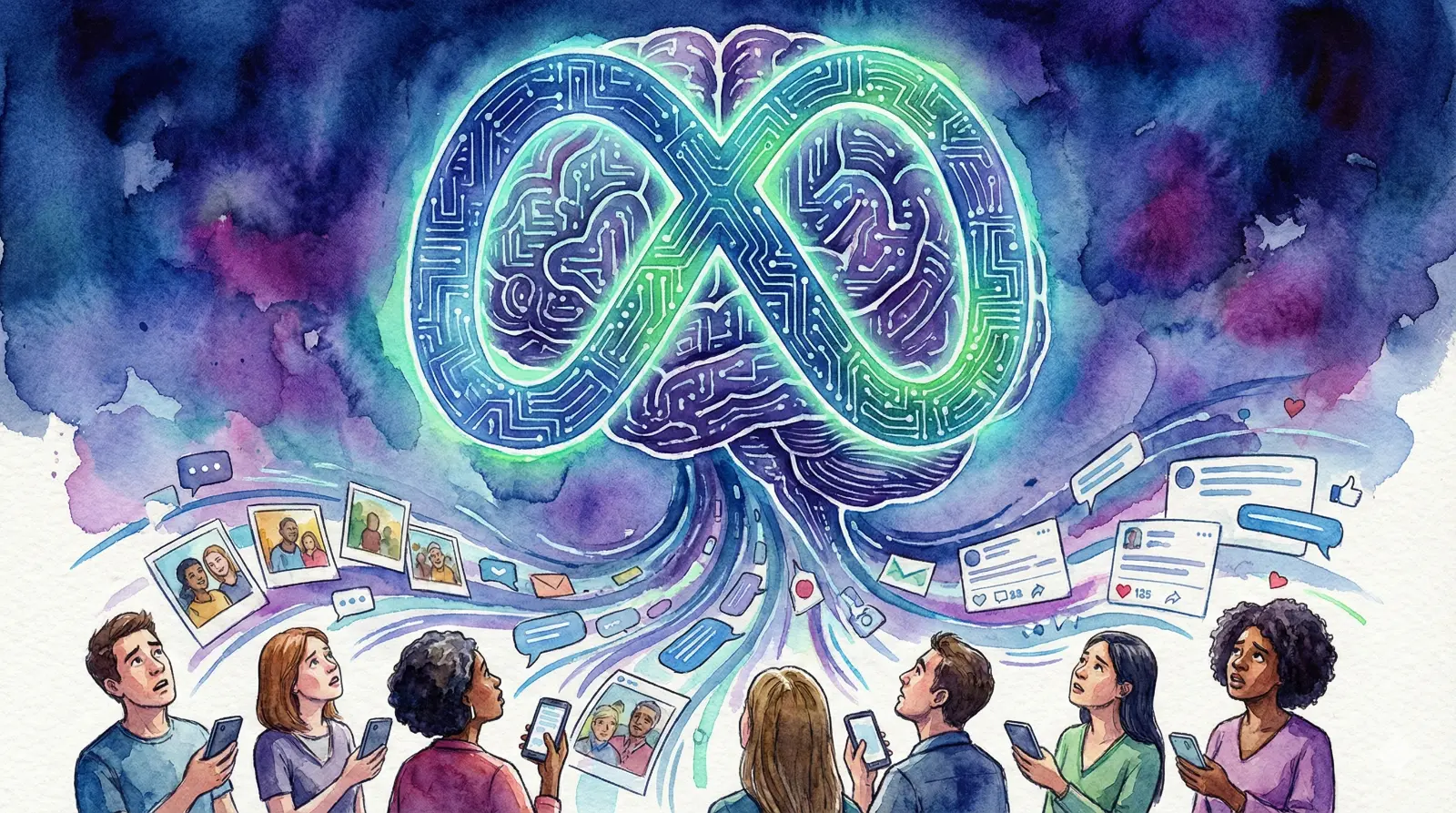
Social media companies have designed these applications exactly this way. You must not stop scrolling; your attention must not waver. This is a billion-dollar industry, and the raw materials here are your attention and your time. Unfortunately, lives are now being sacrificed in this business. Looking at the statistics for 2024 and 2025, the rate of family disputes and suicides related to social media in India has risen significantly.
When Bedroom Privacy Becomes a Camera Prop
Reels addiction doesn't just kill an individual; it kills an entire family. In an incident in Chhattisgarh, a child accidentally lost its life while the mother was engrossed in watching Reels. Who is to blame here? Technology? Us, the users? Or the algorithms that bind us this way? This question must haunt us. Instead of using smartphones smartly, we are becoming their slaves.
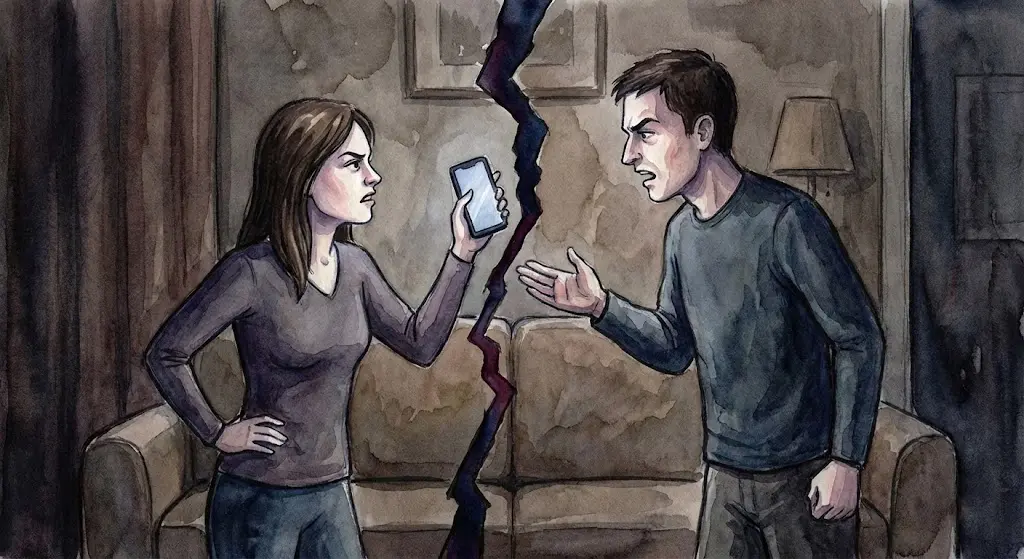
Intimate moments between a husband and wife have now become commodities for public display. When the privacy of the bedroom is brought before a camera, the sanctity of relationships is destroyed. The resulting fights often reach the police station steps, and sometimes, they lead all the way to the graveyard. If the Reels obsession is being recorded as a primary reason for divorce in many family courts across Karnataka, think about where we have arrived.
Another dimension of this problem is the desire for instant fame. Education, work, achievement—all these require time and effort. But the delusion that one filter and dancing to one song on Reels can make you an overnight star is misleading the youth. When this illusion shatters—when expected likes don't arrive, or negative comments pour in—the resulting depression pushes them to the brink of suicide.
If Not Identified Early...
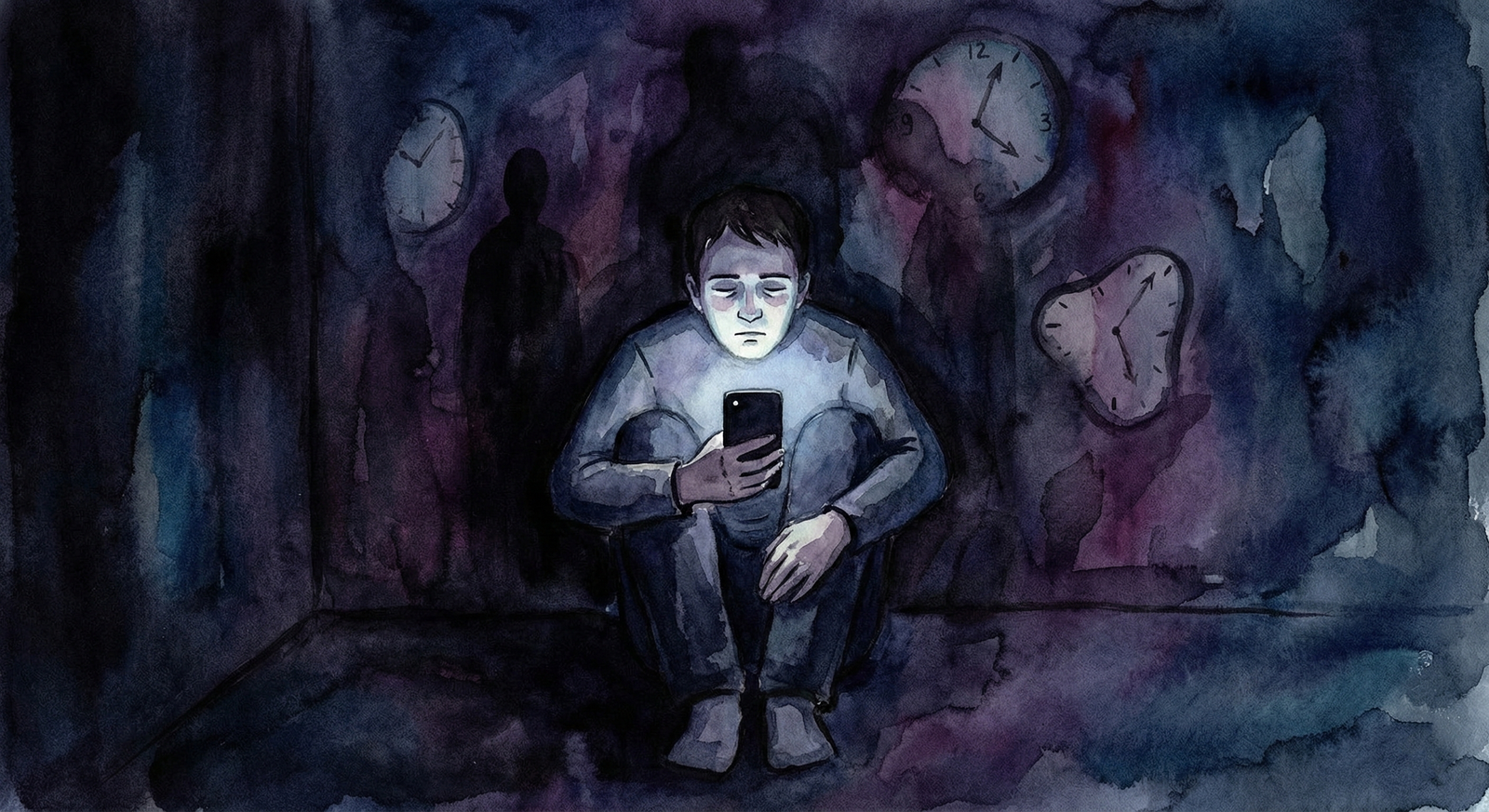
As I have observed, a strange behavioral pattern emerges in those with this addiction. They cannot exist for even a moment without their phone. They need it while eating, sleeping, and even in the bathroom. What is happening in 'Reel life' becomes more important to them than what is happening in real life. They snap if someone at home talks to them, but find joy when some stranger comments on their phone. This disconnection is the root of all problems.
Parents and partners must identify this change early on. Snatching the phone away is not the solution; it may worsen the situation. In the Mahoba incident, the wife's decision when faced with intense opposition from her husband was suicide. What is needed here is loving communication and counseling. A 'Digital Detox' is an essential therapy for our times.
We must observe a 'No Phone Day' at least once a week in our homes. Phones should be banned at the dinner table. Watching or making Reels isn't wrong, but it shouldn't become life itself. We have erased the fine line between entertainment and reality. The time has come to redraw that line. Otherwise, many more innocent lives will end on railway tracks or in hangman's nooses.
The Kerala incident teaches us another lesson: cyberbullying. We must be conscious that a single comment we make could endanger someone else's life. Typing from behind a screen is easy, but are we losing the humanity to consider the mental state of the person reading it? Technology was supposed to bring us closer, but it is mentally distancing us.
As the Editor of a Tech Web Portal, I wish to say just this: Your phone is only a tool; it is not your master. The love of those beside you is more important than the applause of the virtual world. That 20-year-old woman could have been alive today if she had realized her life was more valuable than Reels, or if we, as a society, had reduced the importance we give to 'likes'.
This is not just a warning bell; it is a danger siren. Observe if anyone in your home is lost in their phone like this. Do not ignore that emptiness in their eyes, the anxiety, and the behavior of having lost something vital when away from the phone. They need help.
Despite all this, we don't need to hate technology; it is the driving force of current and future life. But we must be cautious about its usage. In 2026, we are talking about Artificial Intelligence, yet we are losing our natural intelligence. Expressing emotions through emojis, we have forgotten real tears.
A Question for the Reader: When was the last time you put your phone aside, looked into the eyes of your loved ones, and talked? If you can't remember, do it today. Because who knows what tomorrow holds? A Reel like is not bigger than your life, or your family's smile.
Stop your scrolling and look around. Life is happening there, not on the phone screen. Let these deaths be a lesson to us. No other life should end on a railway track in the rush to become 'trending'.
What do you think? Comment below.
ಎಐ ಭಗವದ್ಗೀತೆ ಪುಸ್ತಕ ಖರೀದಿಸಲು ಇಲ್ಲಿ ಕ್ಲಿಕ್ ಮಾಡಿ

No Comment Yet.
Stay informed with breaking news, trending stories, and in-depth analysis.