As AI defenses get stronger, bad actors will find new loopholes. While the platforms build their digital shields, the ultimate responsibility still lies with us. If you see something suspicious, report it immediately. The algorithms are listening, and for the first time, they are actually acting fast.
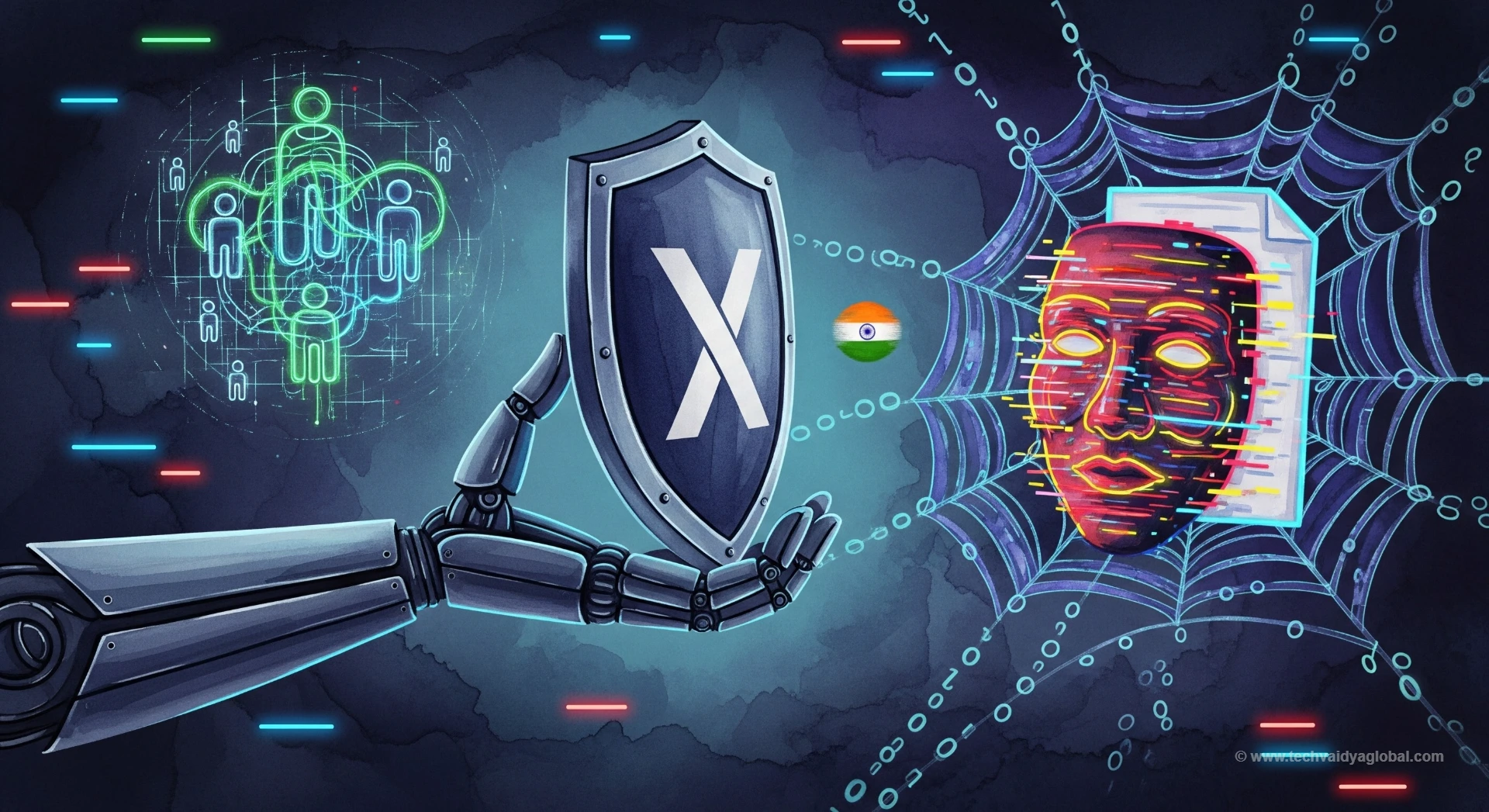
For the past few months, Artificial Intelligence has felt less like a futuristic dream and more like a digital nightmare. The primary reason? The explosion of Non-Consensual Intimate Imagery (NCII), commonly known as explicit deepfakes. From Hollywood A-listers to college students, no one has been spared by this cyber plague. However, in a significant shift, social media platforms are finally waking up. Following the controversy surrounding Elon Musk’s X (formerly Twitter) and its AI chatbot Grok, tech giants are rolling out heavy-duty technical defenses. Media reports confirm that platforms are moving beyond simple bans to implementing deep backend changes to their algorithms.
The catalyst for this overhaul was a series of high-profile incidents. When AI-generated explicit images of figures like Taylor Swift and VP Kamala Harris went viral on X, the world was outraged. Critics pointed fingers at Grok, xAI’s "maximum truth-seeking" chatbot, which initially lacked the strict guardrails of its competitors. Facing potential legal storms and warnings from governments worldwide, including India, X has shifted from a "free speech absolutist" stance to a "zero tolerance" policy regarding NCII.
The first and most effective weapon in this new arsenal is "Perceptual Image Hashing" (pHash). Think of this as a digital fingerprint. Once a deepfake image is detected and classified as explicit, the system assigns it a unique, invisible code (the hash). From that moment on, if any user—whether in New York or New Delhi—tries to re-upload that image, or even a slightly altered version of it, the algorithm recognizes the hash and blocks the upload instantly. X is now deploying this widely to prevent the "virality loop" where deleted content keeps popping back up.
Secondly, AI image generation tools are fortifying their "Prompt Injection Defense." In the past, users could trick AI models by using "jailbreak" prompts—clever linguistic tricks that bypassed safety filters. For example, instead of asking for "nudity," a user might describe a "medical anatomy diagram" to get a similar result. Now, companies like xAI and Google are training their Large Language Models (LLMs) to recognize the intent behind the prompt, not just the words. If the AI suspects you are trying to generate non-consensual content, it simply refuses, no matter how creative your phrasing is.
A third critical layer is Biometric Matching and Preventive Blocking. The databases of these AI models are being updated to recognize the faces of public figures. If a generation request involves a high degree of facial similarity to a known politician or celebrity, combined with a "Not Safe For Work" (NSFW) context, the generation is blocked at the source. This is a massive step forward in proactive safety.
In the Indian context, the pressure is even higher. The Ministry of Electronics and IT (MeitY) has cracked the whip, enforcing strict compliance with the IT Rules 2021. The government has made it clear: remove deepfakes within 24 hours, or lose "Safe Harbour" protection (which means the platform can be sued directly for user content). This legal threat has forced platforms like X and Meta to accelerate their moderation speeds.
Specifically, platforms have upgraded their Automated Flagging Systems. Previously, user reports went into a long queue. Now, AI-driven moderation tools prioritize reports related to NCII. These systems have also been improved to understand regional contexts and languages, including Kannada, ensuring that local users aren't left vulnerable due to language barriers.
Another interesting development is the push for Metadata Watermarking through the C2PA coalition (led by Adobe, Microsoft, etc.). The idea is to embed a tamper-proof digital signature into every AI-generated image. When you upload a photo to X or Instagram, the platform scans for this signature. If detected, it automatically slaps an "AI Generated" label on the post. This transparency helps users distinguish between reality and fabrication, reducing the spread of misinformation.
However, a major challenge remains: the "Walled Garden" problem. These strict measures work great on regulated platforms like X, OpenAI, or Google. But the "dark web" and unmoderated forums are full of open-source, uncensored AI models that anyone can run on a home PC. Fighting these decentralized threats is the next big headache for regulators. Platforms are now focusing on limiting the reach (shadow-banning) of such content if it enters their ecosystem, effectively quarantining it.
The role of media has been crucial in this transition. Tech news outlets are doing a great job of educating the public. Articles explaining "How to lock your profile" or "How to spot a deepfake" are essential. This shift from just reporting the news to building Digital Literacy is empowering users to protect themselves.
Lets be honest, this technical crackdown was long overdue. For a long time, X tried to hide behind the banner of "freedom of speech," but the reality of digital violence forced their hand. The combination of Image Hashing and strict government enforcement is a welcome development.
However, this is a cat-and-mouse game. As AI defenses get stronger, bad actors will find new loopholes. While the platforms build their digital shields, the ultimate responsibility still lies with us. If you see something suspicious, report it immediately. The algorithms are listening, and for the first time, they are actually acting fast.
No Comment Yet.
Stay informed with breaking news, trending stories, and in-depth analysis.