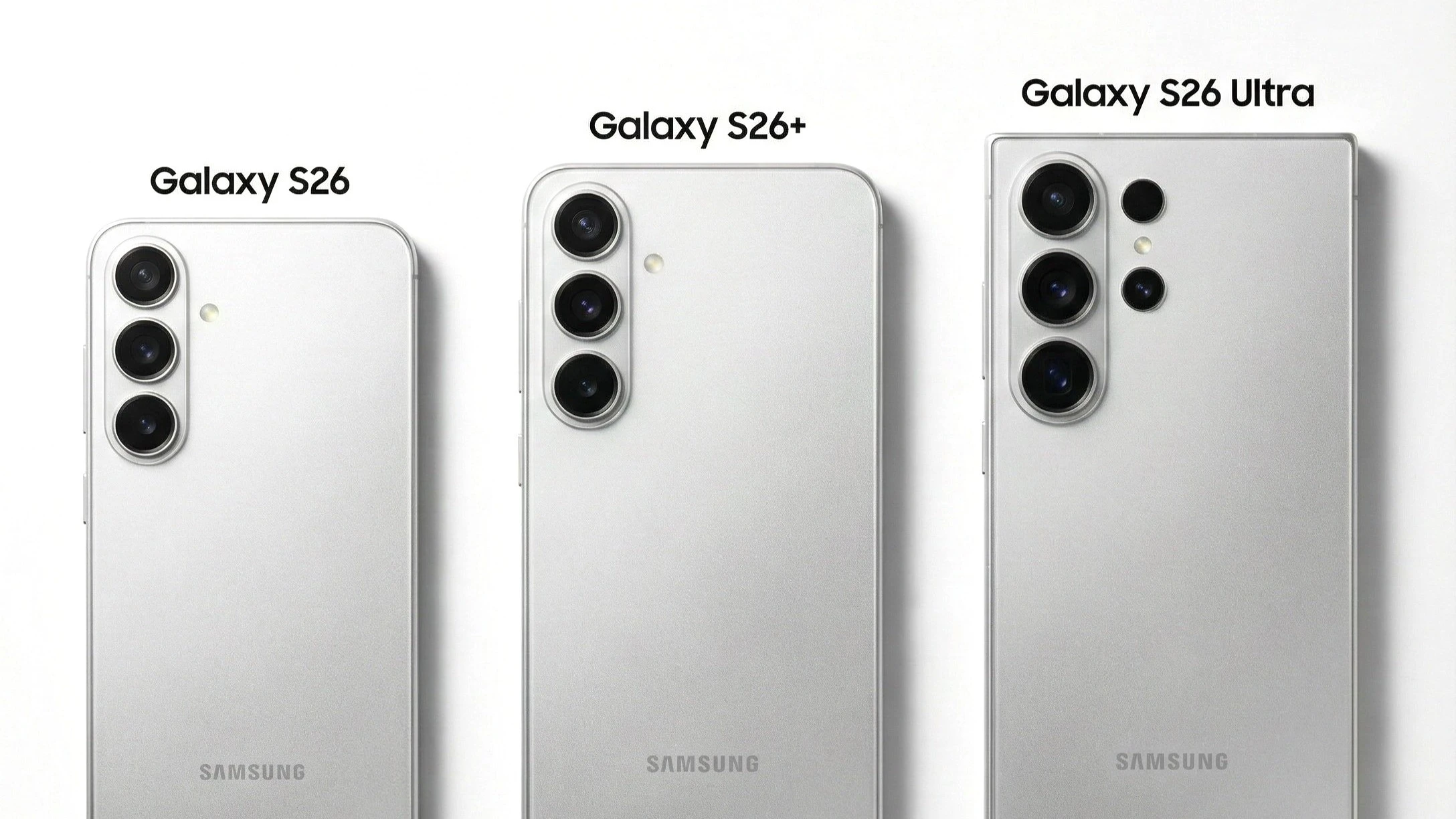
There is a specific feeling you get when you slice through the plastic wrap of a brand-new iPhone or peel the protective film off a Samsung Galaxy screen. It is a sensory hit—the smell of factory-fresh adhesive, the flawless glass, the knowledge that no one has ever touched this object but you. It is pure dopamine.
But in 2026, that dopamine hit comes with a brutal hangover: the price tag. With flagship phones now routinely crossing the $1,300 mark and laptops pushing $2,500, the joy of "New" is quickly replaced by the nausea of your bank account balance.
This is where the seductive world of "Refurbished" tech comes in. It whispers a promise to you: "Hey, I look like that $1,300 phone, I act like that $1,300 phone, but I only cost $700." It sounds like the ultimate life hack. It feels like you are cheating the system. But are you? Or are you just buying someone else’s headache?
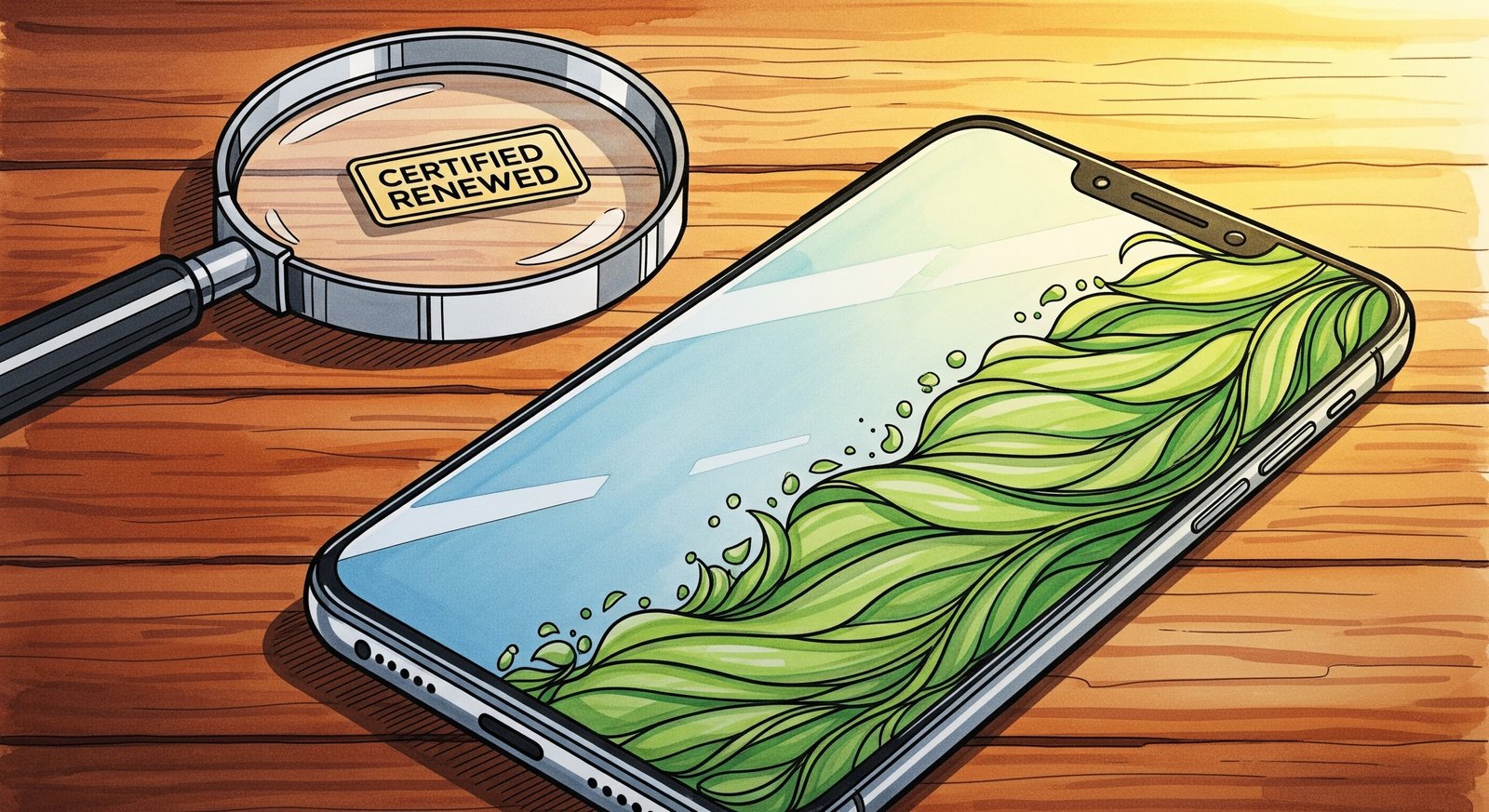
The stigma around used tech has shifted dramatically in the last few years. It used to be that "refurbished" meant a clunky device with scratches and a battery that died in twenty minutes. Today, it is a multi-billion dollar industry with standards that claim to rival the factory floor. But here is the secret they don't always tell you: not all "Renewed" stickers are created equal.
Let’s tear down the marketing and look at the reality of buying renewed in 2026.
The Three Tiers of "Used" (And Why One is a Trap)
To survive in this market, you have to understand the hierarchy. If you go in blind, you will get burned.
The Gold Standard: Manufacturer Refurbished
This is the safest bet, but it is barely a deal. If you buy a "Certified Refurbished" Mac from Apple or a Galaxy from Samsung directly, you are essentially buying a new computer. They replace the outer shell, they put in a brand new battery, and they give you a standard one-year warranty. It is pristine. The catch? You usually only save about 15%. It’s nice, but it doesnt exactly get the adrenaline pumping.
The Wild West: Third-Party Marketplaces
This is where the real action is. Amazon Renewed, Back Market, eBay Refurbished. Here, you can find a top-tier flagship from last year for 40% or 50% off. This is where the hunt begins. These platforms don't fix the phones themselves; they rely on massive warehouses that grade thousands of devices a day. They categorize them: "Excellent," "Good," and "Fair."
Here is the truth about "Excellent" condition: In 2026, it usually means the screen is flawless. However, the body might have "micro-scratches" visible from 12 inches away. Can you live with a tiny scuff near the charging port to save $500? Most of us can.
The "Open Box" Hack
This is my personal favorite. "Open Box" at retailers like Best Buy often means someone bought the device, opened it, realized they couldn't pay rent, and returned it the next day. It has never been used. It is technically new, but legally "used." If you can snag an Open Box deal, you have won the lottery.
The Battery Lottery: The Dirty Little Secret
This is the part that keeps me up at night when I recommend used tech. The processor in a phone doesn't age. A chip from 2024 is just as fast today as it was then. But the battery? The battery is a ticking clock.
When you buy a "Renewed" device, most platforms in 2026 guarantee a minimum of 80% battery health. Read that again. 80%. That means your "new" phone might already have lost one-fifth of its life before you even turn it on. That is the difference between getting home with 20% battery or your phone dying on the train at 5 PM.
If you are buying from a third party, you are definately going to want to check the fine print. Some "Premium" tiers guarantee 90% health. Always, always pay the extra $30 for that guarantee. It is the best money you will spend. If the phone arrives and the battery health is 82%, send it back. Don't feel bad. Be ruthless. You are paying for a product, not a charity case.
The Environmental Guilt Trip (That Actually Makes Sense)
Look, we all know e-waste is a problem. We have seen the pictures of landfills filled with circuit boards. Buying refurbished is logically the most "green" thing you can do. Manufacturing a single smartphone generates about 85kg of carbon emissions. Buying a used one generates almost zero.
But let's be honest—most of us aren't buying used just to save the polar bears. We are doing it to save cash. The fact that you get to feel like a Captain Planet hero while keeping an extra $400 in your pocket? That is just the cherry on top. It’s a dual-dopamine hit: Moral Superiority and Financial Savvy.
When Refurbished Goes Wrong
I have to be real with you. Sometimes, you get a dud. I once bought a "Renewed Premium" laptop that arrived with a keyboard that smelled faintly of maple syrup. Clearly, the previous owner had a waffle incident.
This is why the Return Policy is the only spec that matters.
In 2026, Amazon offers a 90-day return window on renewed goods. eBay Certified offers a one-year or two-year warranty. If a seller does not offer at least a 30-day "no questions asked" return policy, run away. Close the tab. Do not look back.
You need that 30-day buffer to stress-test the device. When you get the package, don't just admire it. Torture it. Run a heavy game for an hour. Does it overheat? Charge it to 100% and watch how fast it drains. Test every single camera lens. If anything feels off, put it back in the box.
The Verdict: Is It Safe?
So, is it safe to buy renewed in 2026?
Yes. But only if you treat it like a negotiation, not a transaction.
If you are buying headphones (earbuds), buy new. Putting something in your ear canal that has been in a stranger's ear canal is just... well, technology hasn't found a way to sanitize that "ick" factor away yet. Batteries in earbuds also degrade faster and can't be replaced.
But for laptops, tablets, and phones? The refurbished market is the smartest place to shop. The tech has plateaued. An iPhone 15 Pro from a few years ago is still 95% as good as the iPhone 17. The only difference is the marketing hype and a few AI features you probably wont use anyway.
Buying refurbished isn't about settling for less. It is about being the smartest person in the room. It’s about looking at that shiny, shrink-wrapped box at the Apple Store and realizing that the box is the most expensive part of the experience. Rip off the band-aid, buy the slightly scuffed flagship, and use the money you saved to take a trip. That will give you way more dopamine than peeling off a piece of plastic ever could.

No Comment Yet.
Stay informed with breaking news, trending stories, and in-depth analysis.